International travel can feel daunting, especially if you’re not used to long-haul flights and foreign airport logistics. While I realize this may not be the most exciting topic for a blog post, if you’re planning a trip to Moshi, Tanzania, I hope my experience helps you navigate your own journey with a little more ease.
The Long Haul: Getting to Tanzania
September 6, 2023
My trip began at Hartsfield-Jackson International Airport in Atlanta, where I boarded a United Airlines flight to Washington, D.C at the ungodly hour of 5:45am (huge shoutout to Jordan for being the real MVP and not only letting me sleep on her couch, but also getting me to the airport on time). From there, I took Ethiopian Airlines to Addis Ababa, Ethiopia, before my final flight to Kilimanjaro International Airport. Including layovers, the total travel time stretched over 24 hours.
Lessons Learned in Air Travel
- Domestic vs. International Terminal Confusion – Despite my final destination being international, my first flight was domestic. United initially told me to go to the international terminal, but a last-minute text clarified I needed to check in at the domestic terminal. Lesson learned: if your first leg is domestic, check in there.
- Visa on Arrival is the Way to Go – I originally planned to get my visa upon arrival in Tanzania, but a United agent strongly advised me to apply online. Against my gut feeling, I did it—only to realize that processing could take up to 10 days! Sure enough, when I arrived, my eVisa hadn’t processed, and I had to pay another $100 in cash for a visa on arrival. In hindsight, I should have stuck to my original plan.
- Be Prepared for Airport Chaos – Addis Ababa Airport was packed to the gills with travelers, lacked clear signage or direction, and navigating it was most stressful part of my entire trip. I nearly had a complete breakdown before finally locating my gate. Thankfully, I ran into some of my fellow travelers once I figured out where to go, which helped ease my nerves before our final leg to Tanzania.
Arriving in Tanzania
September 7, 2023
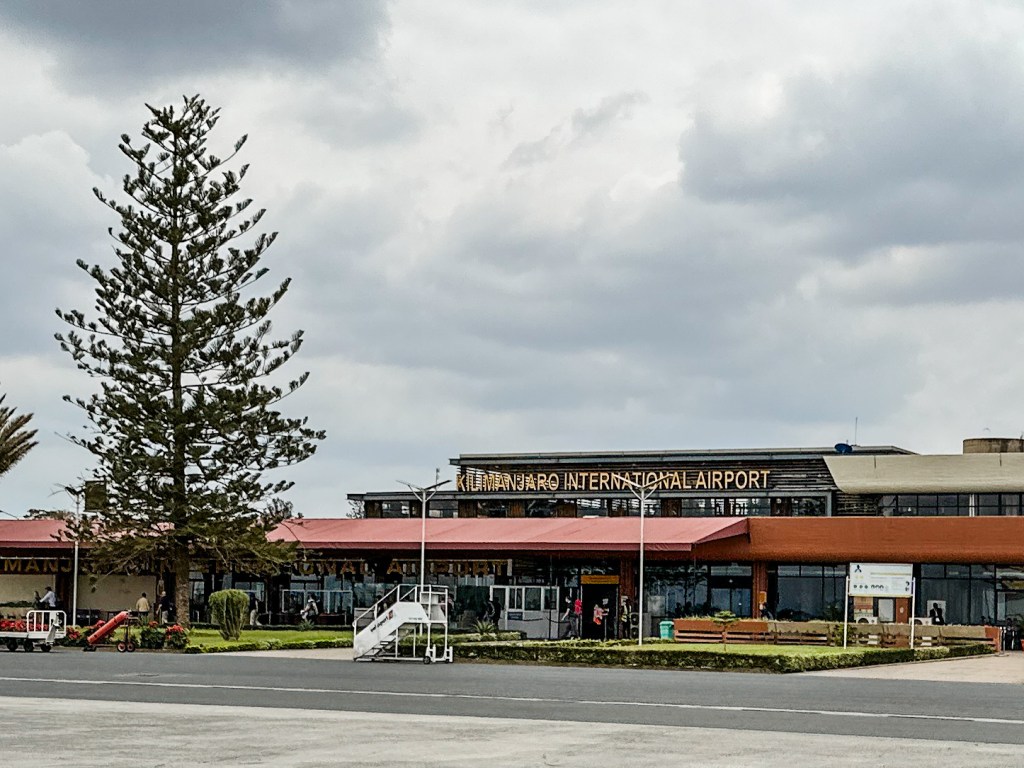
Landing at Kilimanjaro International Airport was an adventure in itself. It’s a small airport, and upon deplaning, we walked across the tarmac to the immigration area. As I suspected, my eVisa had not processed overnight, and I had to pay another $100 for a visa-on-arrival. The silver lining? The visa-on-arrival line was much shorter than the eVisa line, so I got through immigration quickly.
Field Note: Skip the eVisa and get your visa on arrival. It’s faster and avoids processing delays.
I quickly moved through immigration, making a note to contest my eVisa charge with my credit card company at a later time, and picked up my luggage from baggage claim. Being so small, the Kilimanjaro airport was very easy to navigate, and I exited the building to find my pre-arranged driver standing outside with a recognizable sign.
Pro Tip: Have your ride arranged before arriving. My transfer was booked through TrovaTrip, but I noticed many drivers aggressively offering rides to travelers. Pre-booking ensures a safe, fairly priced, and licensed service.
After about 30 minutes on paved roads, we turned onto a dirt road that led to Lindrin Lodge. From the outside, the area looked unassuming, but once we passed through the gates, it felt like stepping into an oasis. The lush landscaping, cozy huts named after Kilimanjaro routes, and the bustling atmosphere of hikers preparing for their climbs made it clear that this was a popular base for adventurers. The excitement was palpable and contagious, and this adventure was really starting to feel real!
Immersed in Maasai Culture
September 8, 2023
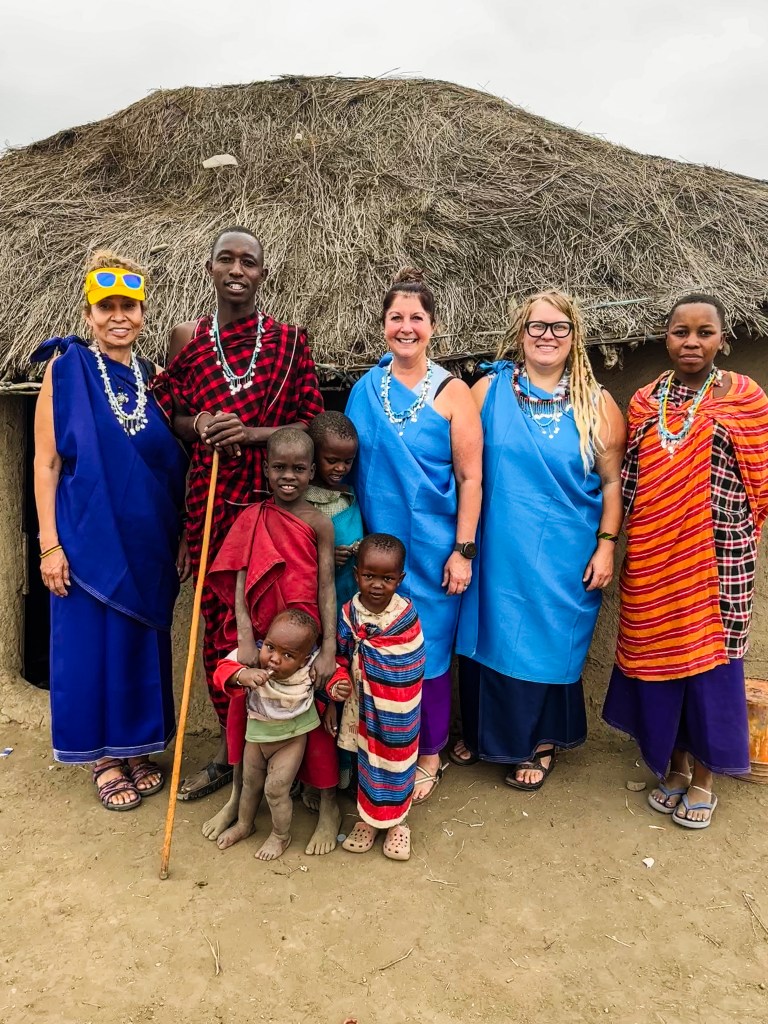
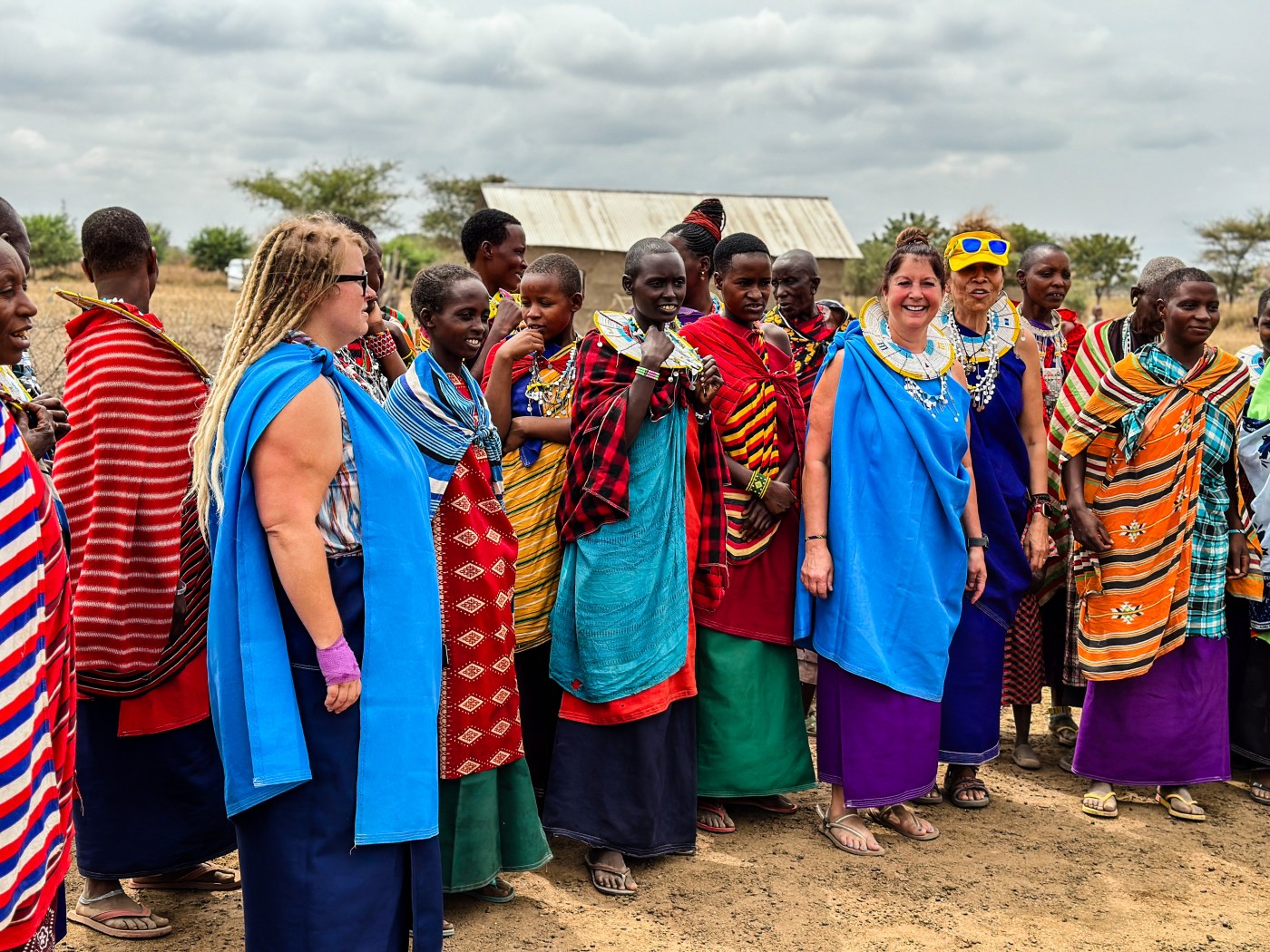
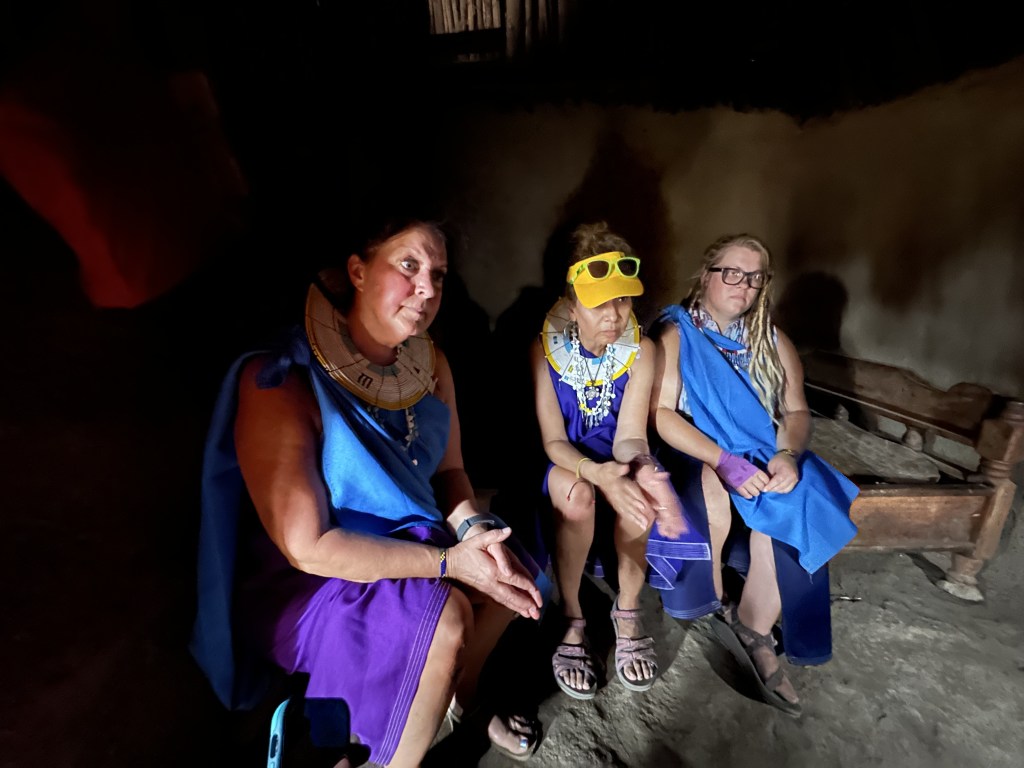
The next morning, I met up with two travelers who would be joining me on the mountain, and we embarked on a cultural excursion with Viva Africa to visit a local Maasai tribe. Upon arrival, we were warmly welcomed and invited into a traditional hut made from a mixture of soil, water, and cow dung—a surprisingly odor-free and sturdy material. Inside, a small fire burned, heating a kettle of porridge, the staple meal for the tribe throughout the day.
As we toured the village, we met young children herding goats and helping with daily tasks—evidence of how responsibilities are shared from an early age. Unlike the traditionally nomadic lifestyle of the Maasai, this particular village had been settled for about 10 years and planned to remain in place.
One of the highlights was participating in a Maasai dance ceremony. The mamas held our hands, guiding us into their rhythmic songs and movements, while the men showcased their signature jumping competitions—a display of strength and agility. Even the children joined in enthusiastically. It was a joyful yet deeply moving experience, a testament to the Maasai’s strong sense of community and connection.

The most profound moment of the visit came at the end when we met a village elder, a lithe, wise-looking man of 109 years who, despite using a cane, walked with a brisk and steady gait. My travel companions and I sat on the ground as Maasai mamas sat with us and knelt behind us, showing us how to accept the blessing. The villagers gathered around, chanting as the elders consecrated casks of water and sprinkled it over us, invoking the spirit of Kilimanjaro to grant us safe passage to the summit. Bracelets, dipped in the blessed water, were placed around our wrists as a promise—we would reach the top.
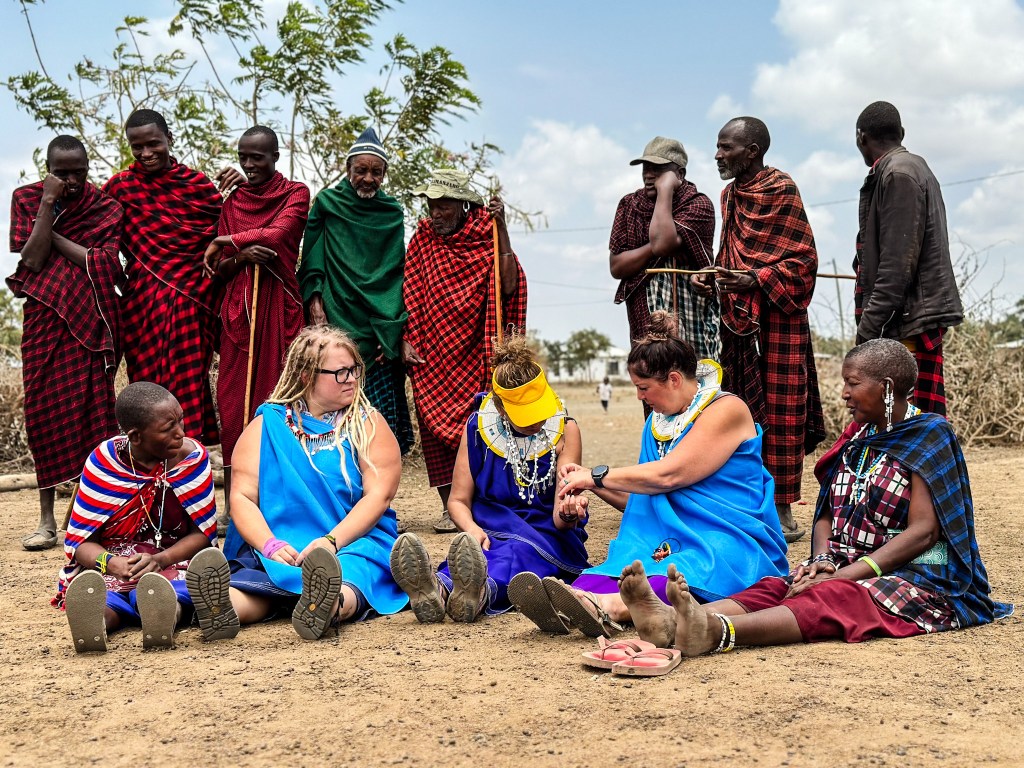
After the festivities, we browsed a small marketplace where Maasai women sold handmade jewelry, each piece a reflection of their intricate craftsmanship and cultural heritage. Bringing home souvenirs directly from the artisans felt deeply meaningful—a tangible reminder of the lessons I had learned. Experiencing Maasai life opened my eyes to a simpler, more connected way of living, and I couldn’t help but think there are aspects of it we could all benefit from. While I won’t be drinking cow’s blood anytime soon, the experience left me inspired to embrace more simplicity and intentionality in my own life.
Field note: When doing tours, bring cash to tip or purchase from local artisans and vendors. I found that USD was welcome as well as Tanzanian Shillings.
A Refreshing Visit to the Hot Springs
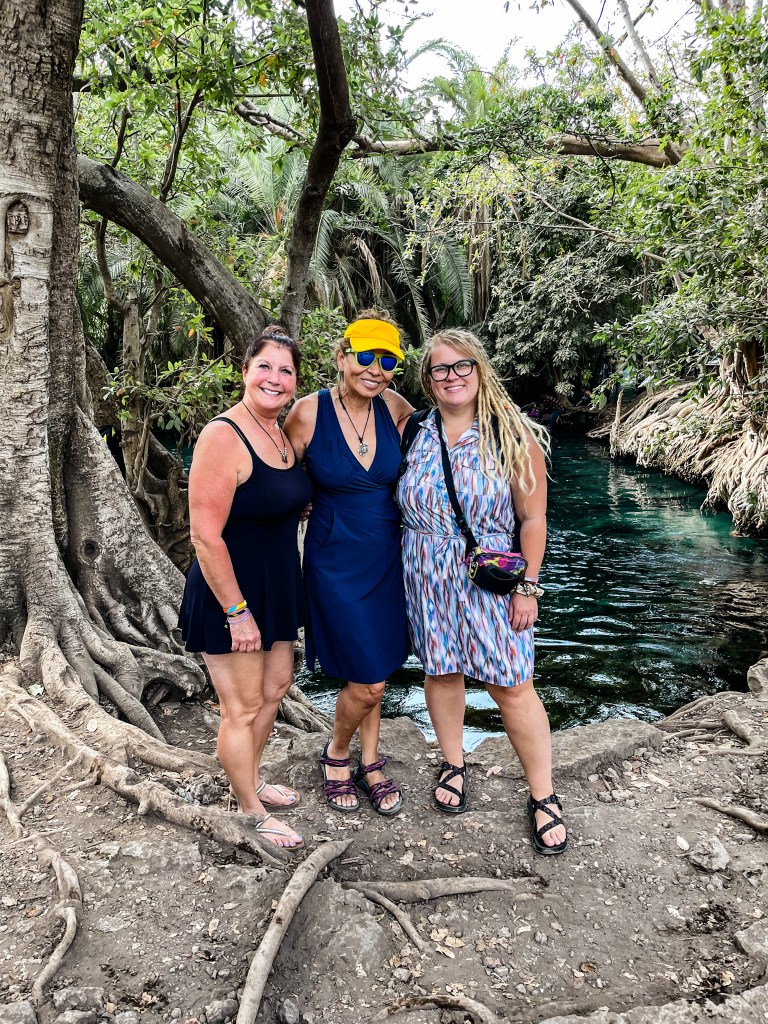
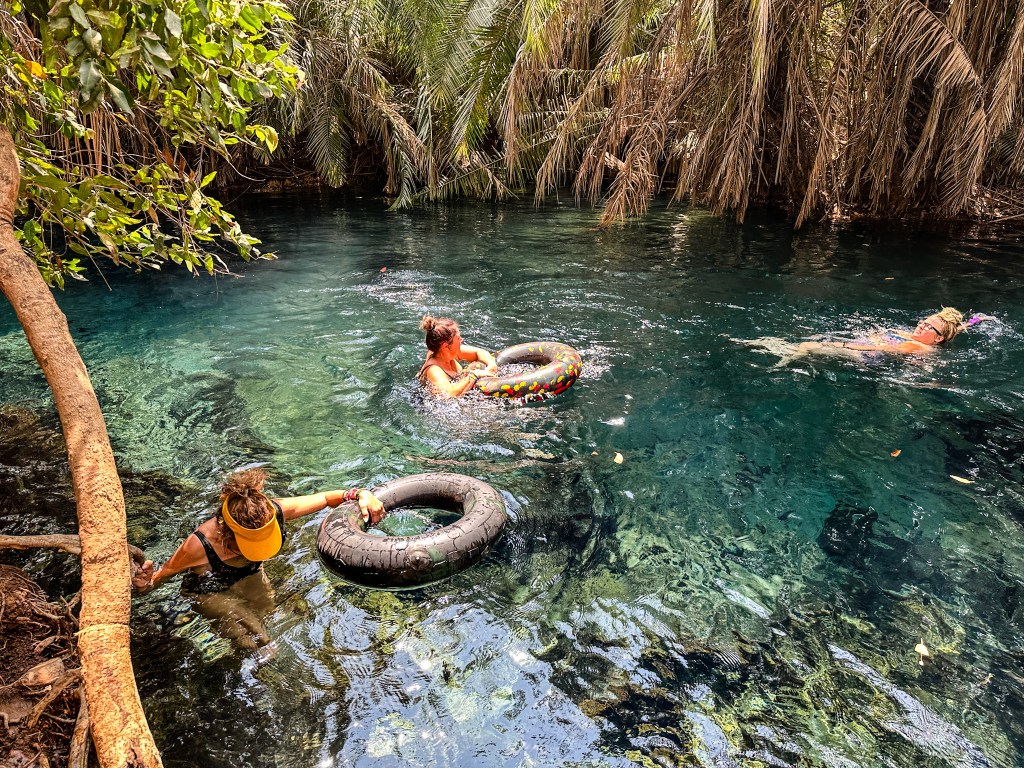
Following our time with the Maasai, we visited a nearby hot spring. Though not as hot as expected— the water was more lukewarm—it offered a refreshing break from the Tanzanian heat. While swimming, I joined a few local men for a quick game of water volleyball. One had intricate beaded dreadlocks, and after chatting for a while, he gifted me a bead from his own hair, threading it onto one of my locks. Soon after, a few others approached, curious about my hair, and we struck up a conversation. When I mentioned my plan to climb Kilimanjaro, one of them suddenly ran off, returning moments later with seashells and thread. “May we bless your climb?” he asked. I nodded, and the three men carefully sewed several shells into my locks, offering their blessing for a successful ascent. The gesture was spontaneous, unexpected, and deeply meaningful.
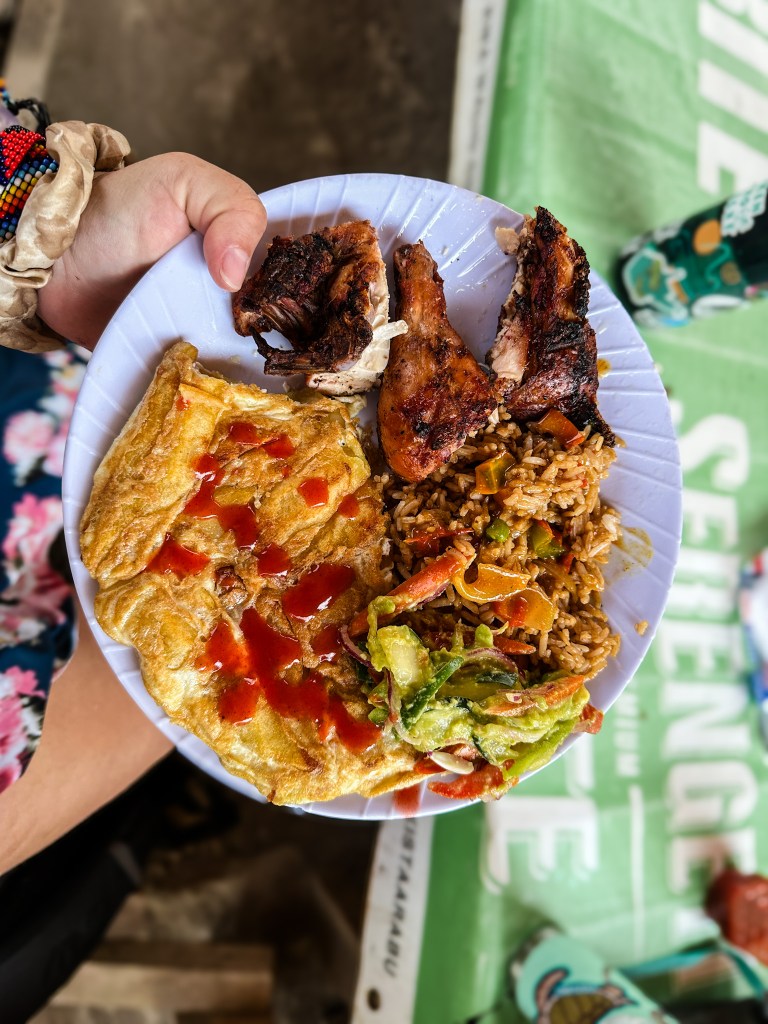
Before heading back, we enjoyed a freshly grilled meal at a small roadside eatery near the hot springs. The food was prepared right in front of us and was hands-down one of the best meals I’ve had in all my travels.
Final Thoughts
This first leg of my journey to Kilimanjaro was filled with valuable lessons in travel, cultural immersion, and the importance of trusting my instincts. From navigating chaotic airports to experiencing the warmth of the Maasai people and the tranquility of the hot springs, Moshi offered an unforgettable welcome to Tanzania. But this was just the beginning—next I will visit a mind-blowing waterfall, tour a coffee farm, and then the challenge of a lifetime: a seven-day trek to the summit of Kilimanjaro, followed by an unforgettable visit to a wildlife sanctuary. Stay tuned for the adventure ahead!


 Still She Roams
Leave a comment